

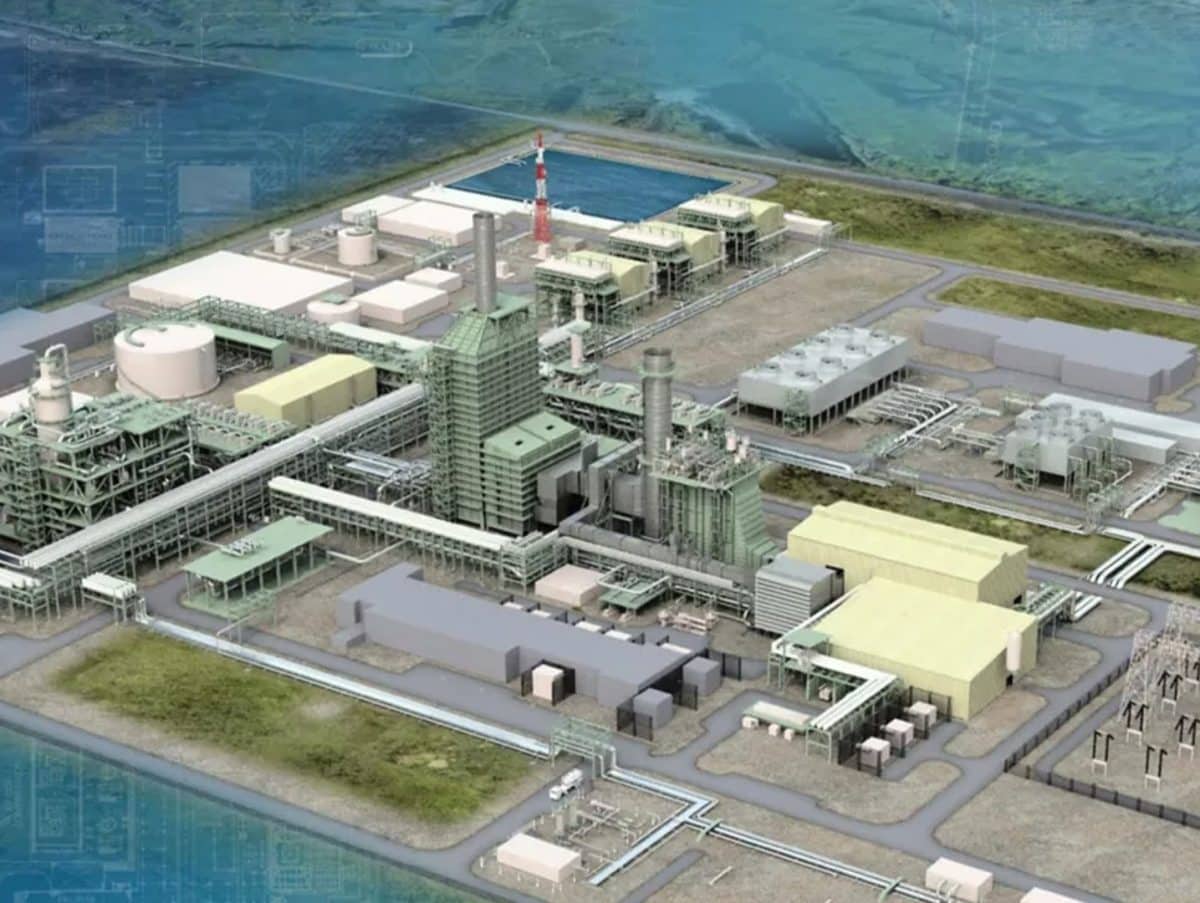
Honeywell has been chosen by Technip Energies to supply integrated automation and safety technologies for two flagship UK carbon capture projects: Net Zero Teesside Power (NZT Power) and the Northern Endurance Partnership (NEP). With carbon capture targets rising, how will automation safeguard the UK’s push toward large-scale decarbonisation?
Automation to support safety and reliability
Honeywell will deliver its Integrated Control and Safety Systems (ICSS) to both NZT Power and NEP, providing unified process control and safety functions. These systems are designed to ensure reliable, secure, and efficient operation across both sites.
“The integration of Honeywell technology within these pioneering projects will play a major role in their ability to redefine the future of clean energy in the UK,” said Menzo Bijmolen, vice president and general manager – EMEA, Industrial Automation Projects & Automation Solutions, Honeywell.
Supporting the world’s first carbon-capture power station
NZT Power is set to become the world’s first gas-fired power station equipped with carbon capture. The facility will generate over 740 megawatts of low-carbon electricity, enough to power more than one million UK homes, and capture up to two million tonnes of CO₂ annually. This captured CO₂ will be transported and stored via the NEP network, the UK’s first dedicated CO₂ transport and storage infrastructure.
NEP will move CO₂ from industrial emitters across Teesside and the Humber to offshore storage beneath the North Sea through a subsurface saline aquifer and onshore pipeline network.
Partnership driving UK net-zero goals
Technip Energies leads a consortium with GE Vernova and Balfour Beatty to deliver engineering, procurement, and construction for both projects. Together, NZT Power and NEP are expected to become global benchmarks in CCS deployment, supporting the UK’s decarbonisation strategy and attracting future clean-energy investment.
Honeywell says its role in these projects reflects its commitment to advancing digital and automation technologies for the global energy transition, backed by around 4,000 staff at more than 20 UK sites.