

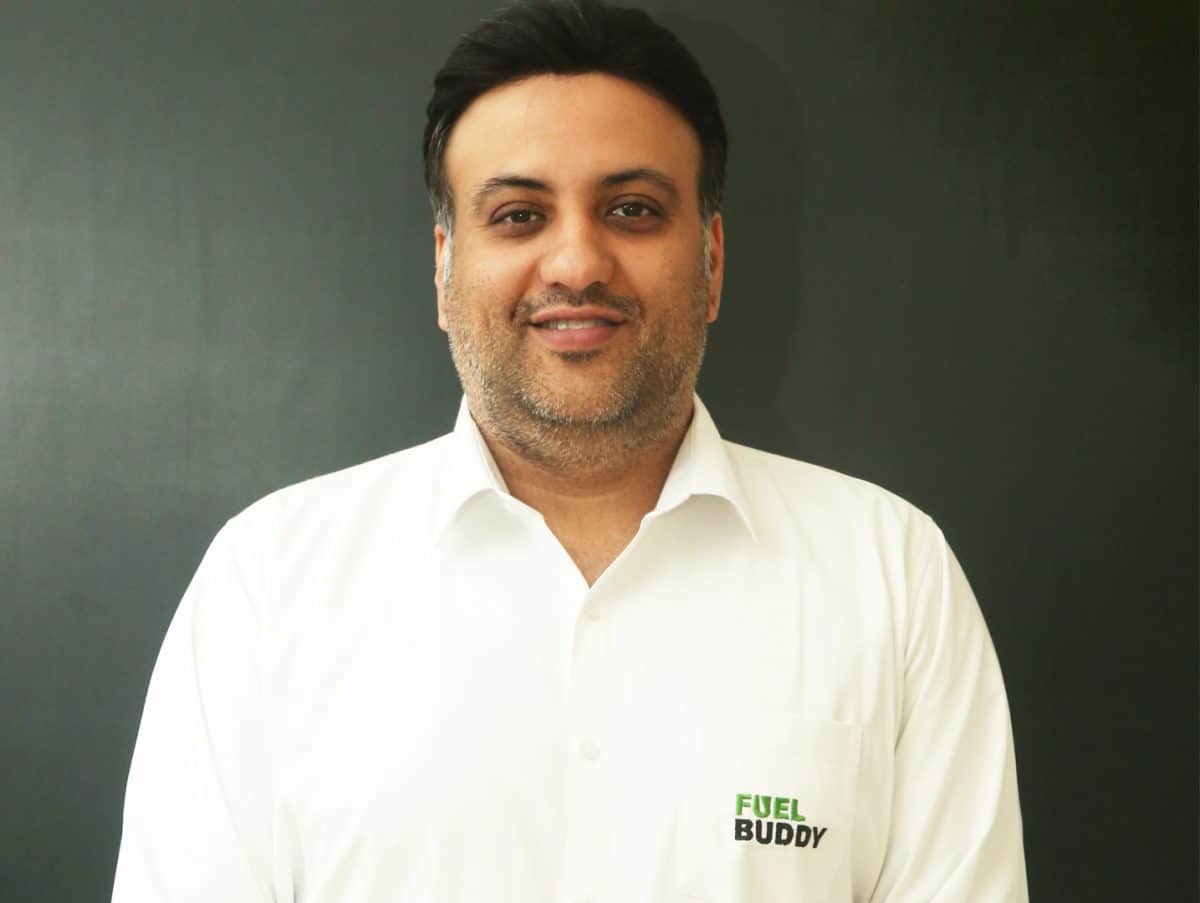
As industries across India scale rapidly, fuel procurement is evolving from informal, last-minute practices to structured, compliance-driven models. Enterprises are increasingly prioritising safety, accountability, and operational efficiency in on-site fuel management. Technology and data-driven processes are now central to ensuring transparency, reducing costs, and supporting sustainability in industrial operations. In this interview, Adnan Kidwai, Co-Founder & International CEO at FuelBuddy, shares insights on how organised doorstep fuel delivery is transforming enterprise fuel logistics.
FuelBuddy was among the first to formalise doorstep diesel delivery in India. What structural shifts are you seeing as industries move from informal fuel procurement to organised, compliant delivery models?
Industries are clearly transitioning from ad hoc and relationship-driven fuel buying to structured, contractual, and SLA-driven procurement models. Fuel is no longer treated as an emergency or last-minute requirement but as a critical, controlled operational input that directly impacts productivity and costs. This shift has led to reduced cash handling, lower dependence on unverified local suppliers, and a strong preference for organised vendors who can offer transparency. Enterprises now expect proper documentation, GST-compliant invoicing, and clear audit trails, while fuel procurement is increasingly integrated with operations, finance, and compliance workflows. There is also a heightened focus on accountability across fuel quantity, quality, safety, and delivery timelines.
Also read: SED upgrades Parag Agro Sugar plant to 7000 TCD capacity
How has regulatory clarity since licensing in 2018 changed enterprise attitudes towards safety, auditability, and vendor accountability in fuel sourcing?
Regulatory clarity since the introduction of licensing has significantly improved enterprise confidence in doorstep fuel delivery as a legitimate and compliant supply model. Organisations now prioritise safety certifications, defined standard operating procedures, and compliance-led vendor evaluation. Vendor accountability has increased, with enterprises closely examining compliance history, audit readiness, and risk ownership. Clear regulations have also simplified internal approvals and enabled fuel sourcing decisions to align more closely with governance, risk management, and ESG frameworks, making organised delivery the preferred option.
FuelBuddy’s SMART REFUELLER fleet and digital backbone are central to its model. How do automation and data-driven delivery improve fuel quality assurance, quantity accuracy, and operational transparency for large industrial users?
Automation plays a critical role in minimising manual intervention during dispensing, significantly reducing human error and discrepancies. Digitally recorded delivery volumes ensure high levels of quantity accuracy, while fuel quality checks are systematically documented and traceable at each delivery point. Large industrial users benefit from real-time visibility into deliveries, enabling site managers to monitor operations more effectively. At the same time, finance and audit teams gain direct access to reliable data without manual reconciliation, resulting in improved transparency, faster audits, and reduced disputes.
With enterprises reporting 10–12 per cent cost savings, what role does an integrated Fuel Management System play in reducing pilferage, controlling consumption, and improving procurement planning?
An integrated Fuel Management System enables continuous monitoring of fuel movement and usage, helping organisations detect and prevent pilferage at an early stage. Detailed consumption tracking enforces stronger operational discipline across sites and assets. By analysing historical and real-time data, enterprises can forecast demand more accurately, reduce dependency on last-minute procurement, and avoid premium pricing. The system also supports better budgeting, aligns procurement planning with actual consumption patterns, and offers centralised visibility across geographically distributed operations.
India’s construction, mining, and infrastructure sectors are experiencing rapid expansion. How is this growth reshaping on-site fuel demand patterns and expectations from fuel logistics partners?
Rapid expansion in these sectors has led to a sharp increase in both the frequency and volume of on-site fuel requirements. Enterprises now have very limited tolerance for delivery delays, particularly during peak construction or project execution phases. There is a growing expectation of uninterrupted fuel supply during extended operating hours and night shifts. Safety has become a key consideration due to large workforces and heavy machinery, driving demand for logistics partners who understand complex site conditions and can provide scalable, reliable delivery solutions.
How does doorstep fuel delivery support environmental compliance, safety standards, and responsible fuel handling at industrial sites?
Doorstep fuel delivery introduces controlled and standardised processes that significantly reduce the risk of spillage, soil contamination, and unsafe handling. Reduced on-site fuel storage lowers exposure to fire hazards and leakages, while trained personnel follow defined safety protocols during transport and dispensing. These practices improve preparedness for safety and environmental audits and help enterprises meet compliance requirements more effectively. Structured delivery also promotes responsible fuel usage and better environmental stewardship at industrial sites.
What is driving strong adoption in Tier-2 industrial centres, and how do operational requirements differ from metro markets?
Adoption in Tier-2 industrial centres is primarily driven by limited access to reliable fuel infrastructure and a higher dependence on diesel for power generation and operations. Even minor delivery delays can have a disproportionate operational impact, making predictability and reliability critical. These markets often operate with leaner manpower and prefer end-to-end solutions rather than fragmented sourcing. Decision-making cycles are typically faster than in metro markets, enabling quicker adoption of organised fuel delivery models.
As operations expand geographically, how does FuelBuddy ensure consistency in service quality, safety protocols, and regulatory compliance across diverse regions?
FuelBuddy ensures consistency through uniform operating procedures implemented across all regions, supported by centralised digital systems that provide real-time oversight. Standardised safety training programmes ensure that field teams follow the same protocols regardless of location. Digitised workflows reduce regional variability, while regular audits and compliance checks reinforce adherence to regulations. Performance is continuously tracked against defined benchmarks to maintain consistent service quality.
Could you share examples of how sectors such as logistics, hospitality, or large residential communities are using structured fuel delivery and FMS data to improve operational efficiency?
In the logistics sector, companies use structured fuel delivery and FMS data to optimise generator usage and manage fleet fuel consumption more efficiently. Hospitality players rely on organised delivery to ensure uninterrupted power for guest-facing operations, while large residential communities gain better visibility into backup power costs. Facilities teams leverage data insights for preventive maintenance planning, management teams track fuel efficiency across assets, and programme operational uptime improves with reduced wastage.
How do you see the organised doorstep fuel delivery market evolving, and what role will technology and policy play in shaping its next phase of growth?
The organised doorstep fuel delivery market will continue its transition from informal practices to fully regulated and technology-led models. Technology will become central to building trust, transparency, and operational efficiency, with deeper integration into enterprise procurement and ERP systems. The market is expected to expand beyond delivery into end-to-end fuel lifecycle management. Policy will play a stronger role in reinforcing safety and compliance, while organised fuel delivery will increasingly support sustainability and governance objectives.


